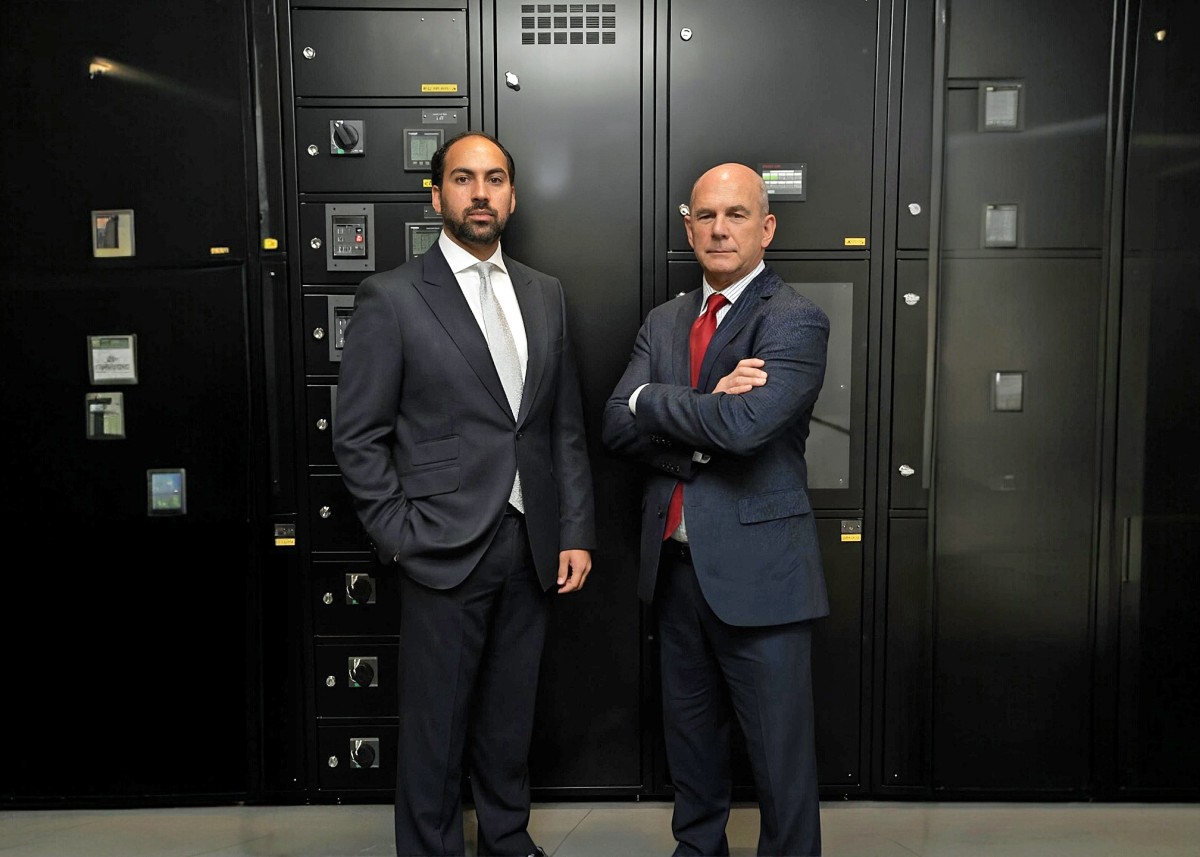
A UK specialist in electrical switchgear and critical power systems is planning an expansion into the United States. This move aims to address the growing equipment, skills, and services gaps instigated by an increase in data centre construction.
Prism Power Group, headquartered in Watford, North London, is in the process of acquiring a U.S. business already holding UL Certification, important for compliance, safety, and quality assurance. The group is in the midst of raising 40 million USD to fund this acquisition and augment their operations within the UK.
The surge in data centre demand, propelled by the growth in artificial intelligence, cloud computing, and digital services, is burdening power infrastructure and exceeding domestic capacity. Consequently, U.S developers are increasingly on the lookout for reliable international partners to maintain progress and bring projects to fruition.
Prism is positioned for this opportunity, having experience delivering comprehensive mechanical and electrical infrastructure tailored to modular data centre initiatives across the UK and Europe since 2005. Their engineers bring forth experience in a range of end-to-end installations, including high-voltage substations and backup generators, as well as the low-voltage switchboards that protect servers in fully planned, turnkey projects.
Adhum Carter Wolde-Lule, Director at Prism Power Group, notes: “The scale and urgency is such that America’s data centre expansion has become an international endeavour, and we’re again able to punch well above our weight in providing the niche expertise that’s missing and will augment strained local supply chains – on the ground, straight away."
Keith Hall, CEO at Prism Power Group, highlights the opportunity for overseas engineering firms with skilled contractors and technicians, stating that the current landscape offers an entrance into a rapidly expanding infrastructure market. For the U.S. sector, embracing global avenues for critical power systems will be significant when maintaining ambitious development schedules and bypassing potential capacity limitations.