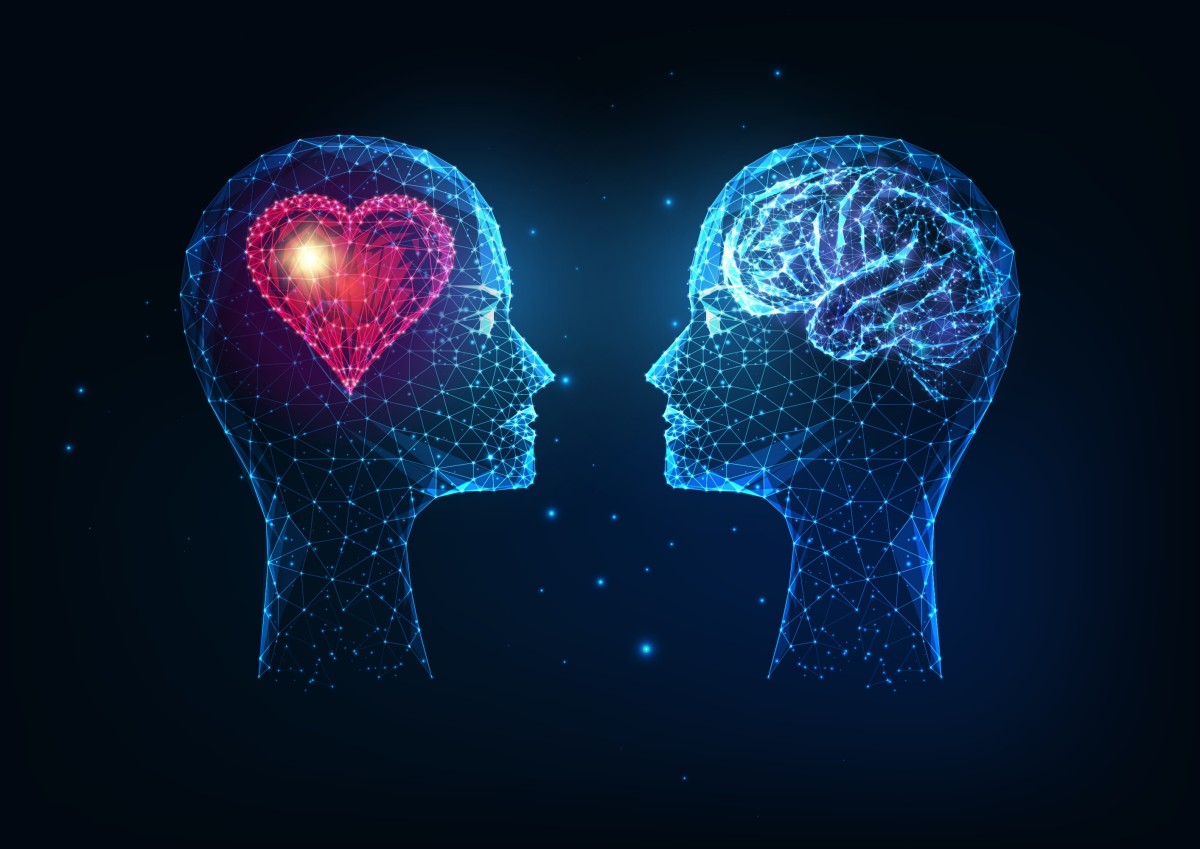
Neurologyca, a trailblazer in human-centric artificial intelligence, has unveiled its top predictions for 2026. This revelation imagines a future where emotional understanding and human context reshape the AI landscape. The integration of emotional intelligence with artificial systems promises to drive a transformation as pivotal as the emergence of AI itself.
For the past ten years, AI has focused on describing the world around us. The upcoming challenge, as outlined by Neurologyca, involves understanding the inhabitants of this world. The emphasis will shift towards emotional awareness, marking a crucial evolution from merely interpreting language to recognizing intention and authenticity.
An integral component of this transition is the introduction of a 'human context layer.' This innovation will enhance adaptability, positioning AI as more human-centric across various domains such as wellness, healthcare, education, and training:
- Home robots will adjust their interactions, using softer tones to ease neurodivergent children experiencing stress.
- In meditation sessions, AI will adapt to user engagement levels, offering a tailored, serene experience.
- Telemedicine agents will prioritize patients based on detected distress, ensuring prompt attention from clinicians.
- During job interview simulations, AI coaching agents will provide real-time feedback and encouragement to anxious students.
Instead of relying on static automation, future AI systems will engage in real-time adaptations, interacting with human users on more than just a linguistic level.
Neurologyca's top predictions for 2026 delve deeper:
- Human Context as a Core Layer: Leading large language model providers will embed human context APIs deeply, ensuring models respond not just to spoken words, but to the emotions behind them.
- Cognitive Avatars: AI will evolve into personalized companions, trained on individuals' emotional patterns to offer needs-based assistance.
- Privacy-First Emotional Data Standards: Ethical governance will advance, guarding how emotional data is handled, ensuring trust in human-context innovations.
- AI as a Regulated Utility: Some regions will regulate AI systems as essential infrastructure, fostering equitable and fair usage policies.
- Carbon-Aware AI Policies: Environmental accountability will redefine AI policies, with energy efficiency becoming a competitive edge in the field.
The foresight shared by Neurologyca indicates a shift towards an AI era marked by empathy, ethics, and accountability. As articulated by Juan Graña, CEO of Neurologyca, the emphasis is on AI's potential to comprehend and engage with human emotions. The success of these advancements lies not in larger models but in their capacity to interpret emotional cues, anticipate needs, and respond in kind.
Looking beyond, Neurologyca forecasts a 2026 landscape where emotion-based personalization in media, real-time cognitive load balancing, predictive neuromarketing, and adaptable psychological agents become the norm.