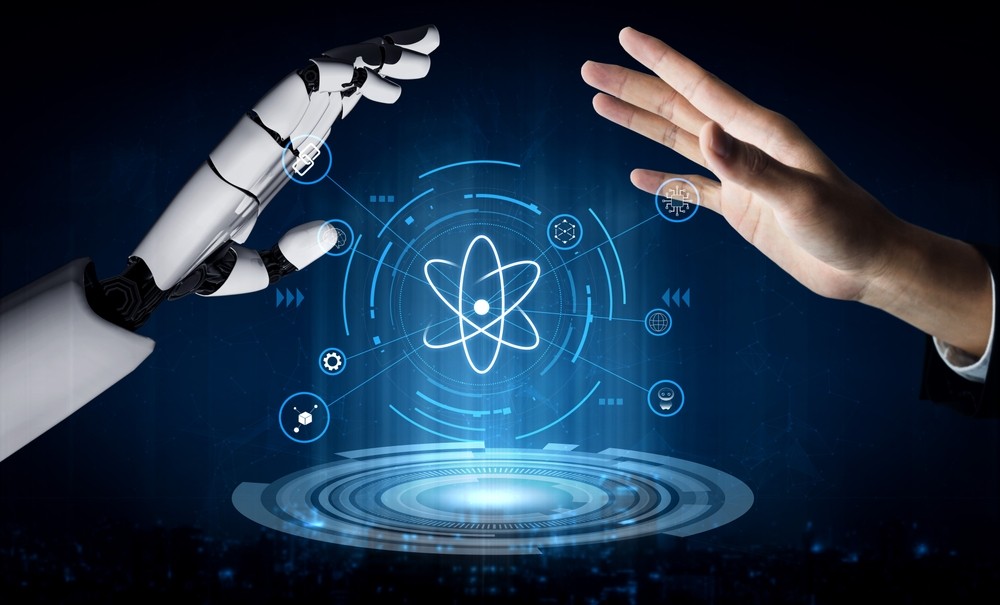
The dynamics of AI continue to generate discussion in the technology sector as we move further into 2026. AI innovation remains prominent, influenced in part by previous developments such as ChatGPT. Current attention is shifting from traditional Agentic AI toward Physical AI, reflected in increasing interest in robotics, autonomous vehicles, and digital health platforms.
Those working with sensors have long recognised the capabilities of the intelligent edge. The application of advanced data processing, including AI techniques, is evolving and is now increasingly described under the term ‘Physical AI’. What is notable is the growing commercial feasibility of deploying AI at the edge, as AI technologies become more accessible and cost-efficient.
From a marketing perspective, emphasis is expected to focus on the value of AI features rather than entirely new sensor products. IDTechEx forecasts continued growth in the sensor market, driven in part by developments in AI integration.
There is also significant interest in the role AI may play in industrial automation. Potential benefits include reductions in labour and energy costs. However, practical adoption timelines are estimated to range from two to five years.
The extended reality (XR) sector also drew attention at CES 2026. The market’s development depends on the miniaturisation of components, particularly sensors. At the same time, optimisation challenges remain for optics, batteries, and communication technologies.
In summary, CES 2026 highlighted Physical AI as a key focus. Sensors continue to play a central role in enabling new data applications and AI integration, reinforcing their importance across industrial and consumer technology markets.